Remote and hybrid work have permanently changed how people use their homes. What were once purely personal spaces now double as offices, meeting rooms, and in some cases, client-facing environments. This shift has pushed homeowners to think more intentionally about how design, maintenance, and layout affect focus, safety, and daily productivity.
Much like workplace policies, a home that supports work needs structure. Thoughtful upgrades don’t have to be dramatic or expensive, but they should be deliberate. When a home reduces friction and distractions, it supports more precise boundaries between work and personal life, something HR professionals have long understood in traditional office settings.
Why the Home Environment Now Functions Like a Workplace
In a traditional office, many design choices can affect productivity: quiet zones, secure entry points, defined workstations, and safety standards. Remote work removes those built-in systems, placing the responsibility on homeowners to recreate them.
When a home lacks clear physical or functional boundaries, work can bleed into every room and every hour. Simple design decisions, door placement, outdoor space management, and noise control play a bigger role than many people realize. A well-considered home setup helps reinforce routines and protect mental bandwidth.
Creating Physical Boundaries That Protect Focus
One of the biggest challenges remote workers face is distraction. Noise, foot traffic, and visual interruptions all make it harder to concentrate. Creating physical separation between work zones and living spaces is one of the most effective ways to restore focus.
Doors, partitions, and layout changes don’t just offer privacy; they signal purpose. Closing a door during working hours creates a psychological shift, reinforcing that time is being used intentionally. Over time, these cues help establish habits that mirror structured work environments.
Maintenance Decisions That Impact Safety and Productivity
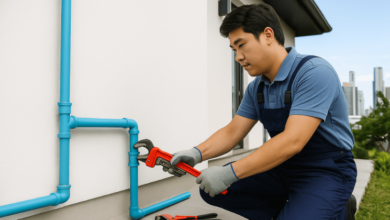
Minor maintenance issues often feel easy to ignore, especially when they don’t seem urgent. But over time, minor problems can create ongoing disruptions. Drafty doors, faulty latches, or worn materials affect temperature control, noise levels, and security, factors that directly influence comfort and concentration.
Homeowners are increasingly approaching upgrades with the same mindset used in organizational planning: assessing risk, cost, and longevity. Instead of repeatedly patching the same issues, many choose solutions that offer long-term reliability, reducing the need for constant fixes and minimizing interruptions during the workday.
Noise Control and Privacy in Shared Living Spaces
For households with multiple occupants, privacy is no longer a luxury; it’s a requirement. Video calls, focused work, and confidential conversations demand quieter environments. Poor sound insulation or open layouts can quickly turn into productivity barriers.
Strategic improvements such as better door seals, upgraded materials, or designated workrooms help reduce sound transfer. These changes also support healthier boundaries between household members, minimizing friction and making shared living more sustainable over the long term.
Outdoor Spaces as Extensions of the Workday
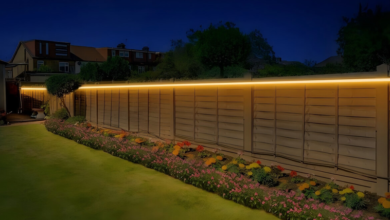
As remote work continues to evolve, outdoor areas can become informal workspaces. Patios, gardens, and backyard studios offer fresh air and flexibility, but they also introduce new challenges around maintenance, safety, and distraction.
Protecting these spaces requires the same forward-thinking approach used indoors. Homeowners who invest in preventative barriers reduce the likelihood of ongoing disruptions caused by environmental factors. This proactive mindset keeps outdoor areas functional, predictable, and suitable for regular use.
Safety as a Foundation for Productivity
Workplace safety has always been a core HR concern, and the same principles apply at home. When people feel secure, they’re able to focus more fully on their tasks. Issues like unsecured entry points, poor lighting, or unstable structures create background stress, even if they aren’t immediately apparent.
Addressing these concerns doesn’t require turning a home into a fortress. Instead, it’s about identifying vulnerabilities and resolving them before they escalate. Safety-focused upgrades protect both people and property while supporting peace of mind during working hours.
Decision-Making Frameworks Homeowners Can Borrow From HR
HR professionals regularly weigh short-term costs against long-term outcomes when shaping policies or benefits. Home improvement decisions benefit from the same approach. Rather than reacting to problems as they arise, homeowners can evaluate upgrades based on durability, impact, and future needs.
This mindset shifts renovation from a reactive task to a strategic investment. Whether updating doors, managing outdoor access, or reorganizing interior layouts, decisions grounded in foresight tend to deliver better results over time.
Aesthetic Upgrades That Support Mental Clarity
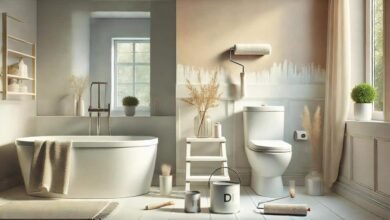
Design isn’t just about appearance; it influences mood, energy, and focus. Cluttered or poorly designed spaces increase cognitive load, making it harder to stay engaged. Clean lines, consistent materials, and thoughtful lighting can significantly improve how a space feels during long workdays.
Aesthetic upgrades that align with function tend to have the biggest payoff. When visual calm is paired with practical design, the home becomes a place that supports sustained effort rather than draining it.
Planning for Change in a Flexible Work Future
Remote work continues to evolve, and homes need to adapt to it. What works today may need adjustment in a year or two as roles change, families grow, or work requirements shift. Designing with flexibility in mind allows spaces to evolve without constant renovation.
Movable partitions, durable materials, and adaptable layouts help future-proof the home. This flexibility mirrors how modern organizations plan for growth and change, ensuring systems remain functional as demands shift.
Bringing It All Together
A home is known for intentional choices that prioritize focus, safety, and clear boundaries. By borrowing principles commonly applied in HR and workplace design, homeowners can create environments that support both productivity and well-being.
When design decisions are proactive rather than reactive, the home becomes a reliable partner in daily work. Thoughtful maintenance, strategic upgrades, and clear physical boundaries all contribute to a space that works as hard as the people inside it.