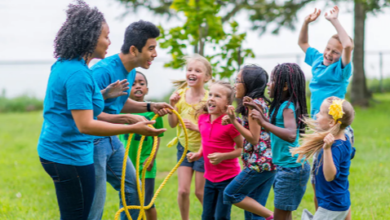
Choosing the right early learning environment for your child represents one of the most significant decisions you’ll make as a parent. Beyond academics and structured activities, the best early childhood programs create something special—an atmosphere where children feel genuinely cared for, understood, and valued as individuals.
The magic happens when educational settings mirror the warmth and security children experience at home. These environments don’t just teach; they nurture growth through meaningful relationships, personalized attention, and a deep understanding of each child’s unique personality and learning style.
Building Relationships That Matter
Strong early learning programs recognize that education begins with connection. When teachers take time to understand each child’s interests, fears, and dreams, they create the foundation for meaningful learning experiences. Children thrive when they feel seen and heard by the adults guiding their educational journey.
These relationships extend beyond the classroom. Educators who truly embrace a family-centered approach invest in knowing parents and caregivers, understanding home dynamics, and creating seamless transitions between home and school environments. This collaboration ensures children receive consistent support and messaging across all areas of their lives.
The impact of these connections ripples through every aspect of a child’s development. When children feel emotionally secure, they’re more willing to take risks, ask questions, and engage in challenging activities that promote growth.
Creating Safe Spaces for Growth
Family-centered early learning environments prioritize emotional safety above all else. Children need to know they can express themselves authentically without fear of judgment or rejection. This means creating classrooms where mistakes are learning opportunities, where different learning styles are celebrated, and where every child’s voice matters.
Physical spaces also play a crucial role in fostering this family-like atmosphere. Cozy reading corners, natural lighting, plants, and personal touches help create environments that feel welcoming rather than institutional. These thoughtful design choices communicate to children that this space was created specifically for them.
Teachers in these settings understand that discipline comes through guidance and natural consequences rather than punishment. They help children develop self-regulation skills and conflict resolution abilities that serve them throughout their lives.
See also: How Minimalist Fashion Trends Are Influencing Lifestyle Choices
Embracing Individual Learning Journeys
No two children develop at exactly the same pace or in the same way. Programs that truly feel like family honor these differences by offering flexible learning approaches that meet children where they are rather than forcing them into predetermined molds.
This might mean allowing a child who learns through movement to stand during story time, or providing multiple ways for children to demonstrate their understanding of concepts. It could involve adjusting expectations for a child going through a difficult transition at home, or celebrating small victories that might seem insignificant to outsiders.
Quality preschool in Bountiful and similar communities understand that honoring individual differences creates stronger, more confident learners. When children feel accepted for who they are, they’re more likely to develop positive relationships with learning that last throughout their academic careers.
Supporting Families as Partners
True family-centered programs recognize parents and caregivers as children’s first and most important teachers. Rather than positioning themselves as experts who know better, these programs invite families to share their knowledge, concerns, and hopes for their children.
This partnership approach might include regular communication about children’s progress, home visit opportunities, or flexible scheduling that accommodates family needs. It means respecting cultural differences and incorporating family traditions and values into classroom experiences.
When families feel genuinely welcomed and valued, children benefit from the consistency and support that comes from having all the important adults in their lives working together toward common goals.
Fostering Community Connections
Programs that feel like family often extend their reach beyond individual classrooms to create broader community connections. This might involve partnering with local organizations, inviting community members to share their expertise, or participating in neighborhood events.
These connections help children understand they’re part of something larger than themselves while still maintaining the intimate, personal relationships that make them feel secure. Children learn about their community while developing the social skills they’ll need throughout their lives.
The Long-Term Impact
The benefits of family-centered early learning extend far beyond the preschool years. Children who experience this type of nurturing, relationship-based education often develop stronger social skills, greater emotional intelligence, and more positive attitudes toward learning.
These early experiences shape how children view themselves as learners and community members. When children’s first educational experiences are positive and affirming, they’re more likely to approach future challenges with confidence and resilience.
Nurturing Tomorrow’s Leaders Through Connection
Early learning environments that truly feel like family create more than just school readiness—they cultivate confident, caring individuals who understand the value of relationships and community. By prioritizing connection, honoring individual differences, and partnering with families, these programs set children on paths toward lifelong success and fulfillment.
The investment in finding and supporting such programs pays dividends not just for individual children and families, but for entire communities. When children feel loved, supported, and valued from their earliest educational experiences, they carry that foundation with them as they grow into compassionate, capable adults who contribute positively to the world around them.