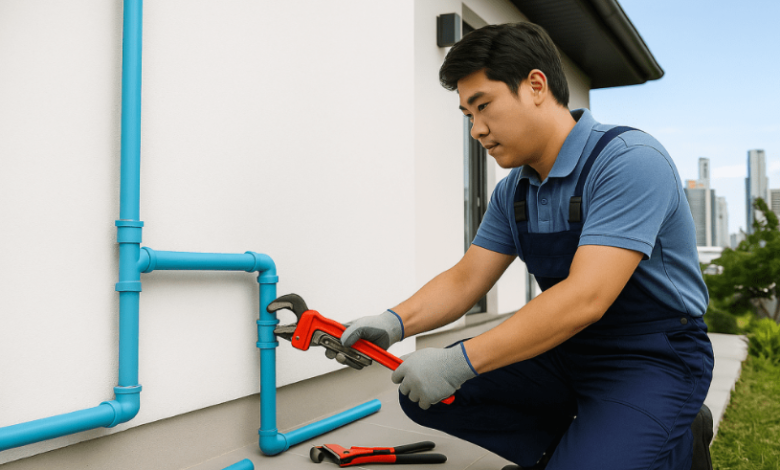
When your plumbing springs a leak or fails, your first instinct might be to ask for a simple repair. After all, repairs are cheaper up front and seem like a quick fix. But licensed plumbers don’t recommend pipe replacement lightly, and there are very good, practical reasons why replacing pipes rather than repeatedly repairing them can be safer, more cost-effective and better for your home in the long run.
This isn’t about pushing unnecessary work, it’s about avoiding ongoing failures, water damage, mould and expensive emergencies that come from patched-up systems that are well past their useful life.
Homeowners Often Prefer Repairs — But It’s Not Always Wise
Repairing leaks or damaged sections of pipe makes sense when the issue is small and isolated. A cracked connection under a sink or a one-off pinhole leak can be fixed quickly and cheaply, and that’s appropriate when the rest of the network is still in good condition.
However, when problems are systemic rather than isolated, repairs become a band-aid rather than a solution. Pipes that repeatedly fail in different locations, show signs of rust and corrosion, or are made from outdated materials are often nearing the end of their service life. At that point, replacement is the safer and more economical option, even though it costs more upfront.
When Repairs Are No Longer Viable
A plumber will recommend replacing pipes instead of repairing them when the underlying condition of the plumbing has deteriorated to a point where fixes are no longer reliable. Common scenarios include:
Extensive Corrosion and Deterioration
When pipes have significant rust, flaking surfaces or mineral buildup extending beyond a small area, they’re structurally weak. Corroded pipes are prone to leaks, cracks and bursts in multiple areas, and patching one leak doesn’t stop the rest from failing soon after. Replacing corroded piping with modern materials restores the integrity of your entire system.
Frequent Recurring Problems
If you’ve been calling a tradesperson over and over for leaks in the same run of pipe or adjacent fixtures, that’s a strong indicator that the system as a whole is failing. Multiple, recurring repairs quickly add up in both cost and inconvenience, often exceeding what a full replacement would have cost in the first place.
Outdated or Unsafe Materials
Older homes may still have pipes made from galvanised steel, lead, polybutylene or other materials that are no longer recommended. These materials corrode faster, can affect water quality and may pose health risks. Upgrading to safer, corrosion-resistant piping material, such as PEX, copper or PVC, improves safety and performance.
Multiple Leak Sources
When leaks are developing in different parts of the system, it usually means the problem isn’t isolated. The pipe network itself is compromised, and replacement prevents leaks from simply shifting to a new area after each repair.
Risks of Temporary Fixes
Repairing individual leaks can solve an immediate problem, but it doesn’t fix the root cause. That’s why plumbers sometimes advise replacement rather than continuing to repair:
1. Repeated Water Damage
Every leak, even a small one, introduces moisture into wall cavities, floors or under slabs. Over time, this persistent moisture can lead to structural issues, wood rot, mould growth and deteriorating flooring or plaster. Those repairs cost far more than the plumbing work itself.
2. Hidden Damage Spreads
Patching a pipe often doesn’t address hidden corrosion or deterioration deeper inside the network. Inside the pipes, corrosion and mineral buildup may continue unabated, leading to ongoing weak spots and future leaks that are harder to locate and fix.
3. Escalating Costs
While each repair may seem inexpensive, repeated call-outs, emergency fixes and collateral water damage can quickly add up. In many cases, the cumulative cost of repairs over time exceeds the cost of replacement, especially if you factor in the cost of restoring walls, flooring and finishes that must be undone for frequent repairs.
4. Reduced Water Quality
Old pipes, especially corrosion-prone metals, can contaminate water with rust or metal particles. Patching leaks doesn’t improve water quality, whereas installing new, non-corroded pipes can restore clean, safe water throughout your home.
See also: Professional Interior Design Services for Luxury Homes
Connection Between Leaks, Moisture and Pest Risks
Persistent leaks don’t just threaten your plumbing; they can create conditions that attract pests. Constant moisture around pipe joints, wall cavities and subfloor areas creates damp environments where insects and rodents thrive.
Over time, this moisture can lead to timber rot, mould and structural weakness that requires pest control services in addition to plumbing and building repairs. Addressing the plumbing before it leads to these secondary issues saves you from compounded costs and headaches.
Moisture attracts pests because it provides hydration and hidden shelter, ideal conditions for many common pests. By choosing replacement where appropriate, you remove one of the primary drivers of damp habitats inside your home and reduce the risk of pest infestations that are costly and irritating to resolve.
Role of an Emergency Plumber in This Decision
When systems fail unexpectedly, burst pipes in winter, leaks under floor slabs, or catastrophic failures in walls, an emergency plumber Adelaide will often assess whether temporary fixes are truly safe or if replacement is necessary for ongoing reliability. A plumber’s recommendation for replacement in these high-stress situations is rarely arbitrary. It’s based on professional judgement of the whole system’s condition, likely future performance and the risk of further emergencies.
Emergency plumbers see the consequences of repeated failures firsthand: water damage, property loss, loss of use for parts of the house, mould remediation costs and ongoing downtime for families and businesses. Their priority is not just fixing what’s broken now, but preventing another urgent call-out weeks later.
Long-Term Benefits of Replacing Pipes
Although pipe replacement comes with a larger initial investment, it delivers several advantages that make it worthwhile in the long term:
Greater Reliability and Longevity
New pipes, especially when made from corrosion-resistant materials, can function reliably for decades without recurring issues.
Reduced Future Costs
Fewer emergency repairs, reduced water damage, improved pressure and fewer leaks mean lower maintenance costs over the life of your plumbing system.
Improved Home Value and Safety
Modern plumbing systems are seen as desirable by buyers and inspectors, potentially increasing your property’s value. They also eliminate health risks associated with old materials and corrosion.
Better Water Flow and Quality
New piping improves system efficiency, water flow and overall quality, which is especially noticeable in older homes with restricted or rusty pipes.
Conclusion
It’s understandable to want to avoid the expense of replacing your pipes. Repairs feel familiar, quick and cheap. But when a licensed tradesperson recommends full pipe replacement instead of another patch job, it’s usually because the plumbing system itself is deteriorating, and continuing to patch one problem after another can lead to larger issues down the track.
Replacing pipes protects your home’s water quality, reduces the risk of leaks and structural damage, lowers ongoing maintenance costs and helps prevent the moisture problems that attract pests and require pest control services later on. For emergencies, a trusted emergency plumber in Adelaide will assess your whole system and recommend the option that protects your home’s safety and value, not just the cheapest quick fix.
FAQs
Why would a plumber recommend replacing my pipes instead of fixing a leak?
If the pipes are corroded, outdated or failing in multiple areas, replacement can be more reliable than patching one issue after another. Repairs become temporary if the system itself is compromised.
Can frequent repairs cost more than replacement?
Yes. Repeated repair costs can quickly add up to more than the cost of a one-off pipe replacement, especially if water damage and restoration expenses are factored in.
Do new pipes improve water quality?
Replacing old, corroded pipes with modern materials can improve your water quality by eliminating rust, mineral contamination and other issues caused by aged plumbing.
Will replacing pipes prevent future leaks?
New pipes made from durable materials are less prone to leaks and can significantly reduce plumbing emergencies compared to constantly repairing an old system.
Is pipe replacement disruptive?
Yes. It can be more invasive than simple repairs, but trenchless and modern methods reduce disruption while providing long-term reliability.